

Comparison of Advantages and Disadvantages of Negative Pressure and Positive Pressure Conveying in W
HeadPowder, a leading provider of pneumatic conveying solutions, specializes in systems designed for water-containing powders. This article provides a detailed comparison of the advantages and disadvantages of negative pressure and positive pressure conveying methods within this specialized field.
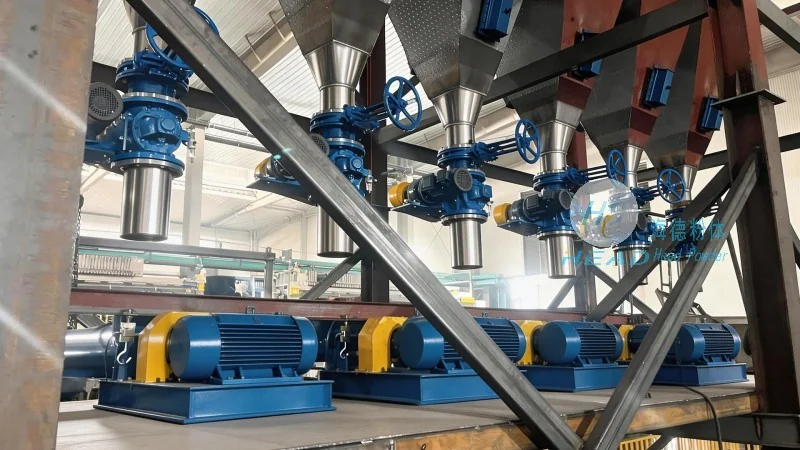
Introduction to Water-Containing Powder Pneumatic Conveying
Water-containing powders, such as those used in the chemical, food, and pharmaceutical industries, present unique challenges during material handling. Pneumatic conveying offers an efficient solution to transport these materials from one location to another without the need for mechanical components like belts or buckets. The choice between negative pressure and positive pressure systems is critical as it directly impacts system performance, operational costs, and material integrity.
Understanding Negative Pressure Conveying
Negative pressure, or suction, conveying systems operate by creating a low-pressure zone at the material inlet, drawing the powder and air mixture into the system. This method is often preferred for applications requiring gentle handling of delicate or sensitive powders. The primary advantage of negative pressure conveying is its ability to handle powders with high moisture content or those that are prone to caking. By maintaining a lower pressure environment, the risk of material degradation is minimized, preserving the quality of the product.
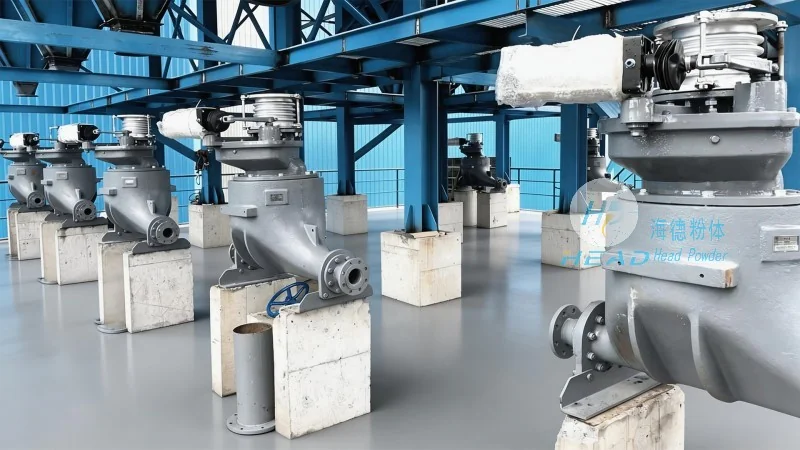
However, negative pressure systems have notable drawbacks. The main disadvantage is the higher energy consumption compared to positive pressure systems. The system must work against atmospheric pressure to draw material, which increases operational costs. Additionally, negative pressure conveying can be less effective for long-distance or high-capacity applications due to the limitations of suction power. Another concern is the potential for dust emissions at the inlet, as the system draws air and particles from the environment, requiring additional filtration and environmental controls.
Exploring Positive Pressure Conveying
Positive pressure, or pressure, conveying systems generate a high-pressure air stream that pushes the material through the pipeline. This method is typically used for applications involving abrasive or dense powders and is more suitable for long-distance or high-capacity transport. The key advantage of positive pressure conveying is its higher efficiency in terms of energy usage for high-volume operations. By pushing material through the system, the pressure drop is managed more effectively, reducing the overall energy consumption per unit of material conveyed.
Nevertheless, positive pressure systems have their own set of challenges. The primary disadvantage is the potential for material degradation due to the higher air velocities and pressure differentials. Abrasive powders can cause wear and tear on the system components, leading to increased maintenance costs and system downtime. Additionally, positive pressure conveying may not be ideal for materials that are sensitive to moisture or temperature changes, as the high-pressure air can introduce these variables into the process. The system also requires robust sealing and pressure containment to prevent leaks and ensure safety, which adds to the initial investment and operational complexity.
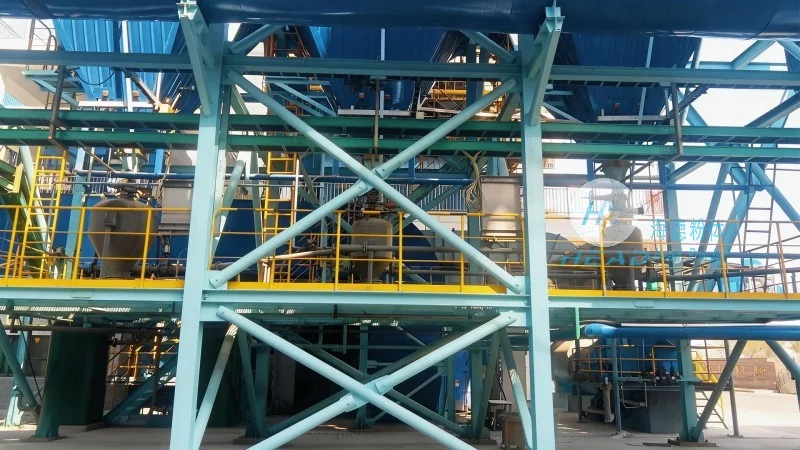
Comparative Analysis: Negative vs. Positive Pressure
When evaluating negative versus positive pressure conveying for water-containing powders, several factors must be considered. The choice is heavily influenced by the specific characteristics of the powder, such as moisture content, particle size, and abrasiveness, as well as the operational requirements like distance, capacity, and cost. For instance, negative pressure is often preferred for delicate, moisture-rich powders where product integrity is paramount, while positive pressure is more suitable for bulk, abrasive materials requiring high throughput over long distances.
From an operational cost perspective, negative pressure systems tend to have higher energy costs due to the constant suction requirement. Positive pressure systems, while initially more expensive due to the need for high-pressure pumps and robust components, may offer lower long-term energy costs for high-volume applications. Maintenance considerations also differ: negative pressure systems may require more frequent filter changes due to dust ingress, whereas positive pressure systems may need more frequent component replacements due to wear from abrasive materials.
HeadPowder's Expertise in Pneumatic Conveying Solutions
Shandong HeadPowder Engineering Co., Ltd., based in China, has established itself as a trusted partner in the design and implementation of pneumatic conveying systems for water-containing powders. The company leverages advanced engineering principles to tailor solutions that address the unique challenges of each application. By understanding the nuances of both negative and positive pressure systems, HeadPowder can recommend the most appropriate technology for a given scenario, ensuring optimal performance and cost-effectiveness.
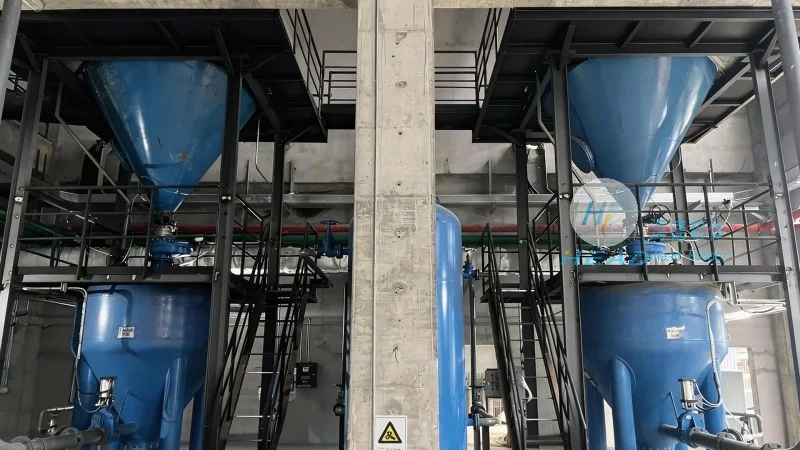
HeadPowder's team of experts conducts thorough assessments of material properties, process requirements, and environmental regulations to develop customized conveying systems. Whether a client requires a negative pressure system for sensitive moisture-rich powders or a positive pressure system for high-capacity abrasive materials, the company provides comprehensive support from initial design through to installation and ongoing maintenance. This approach ensures that the chosen system not only meets current operational needs but also adapts to future expansion or changes in material handling requirements.
Conclusion: Making the Right Choice for Water-Containing Powder Conveying
In conclusion, the selection between negative pressure and positive pressure conveying in water-containing powder applications is a critical decision that impacts system efficiency, material quality, and operational costs. Negative pressure systems excel in preserving product integrity for delicate, moisture-rich powders but at the cost of higher energy consumption and potential dust issues. Positive pressure systems offer higher efficiency for bulk, abrasive materials but require careful consideration of wear and maintenance. By understanding these trade-offs and leveraging the expertise of companies like Shandong HeadPowder Engineering Co., Ltd., industries can select the most suitable pneumatic conveying method to achieve optimal performance and reliability in their material handling processes.