When it comes to transporting stone materials, pneumatic conveying systems offer efficient solutions that can significantly enhance operational productivity. Among the various methods available, negative pressure and positive pressure conveying stand out as two primary approaches, each with its own set of characteristics, benefits, and limitations. Understanding the differences between these two systems is crucial for selecting the most suitable option for specific stone handling applications. This article provides a detailed comparison of the advantages and disadvantages of negative pressure versus positive pressure conveying in the context of stone pneumatic conveying, helping stakeholders make informed decisions based on their operational needs and material characteristics.
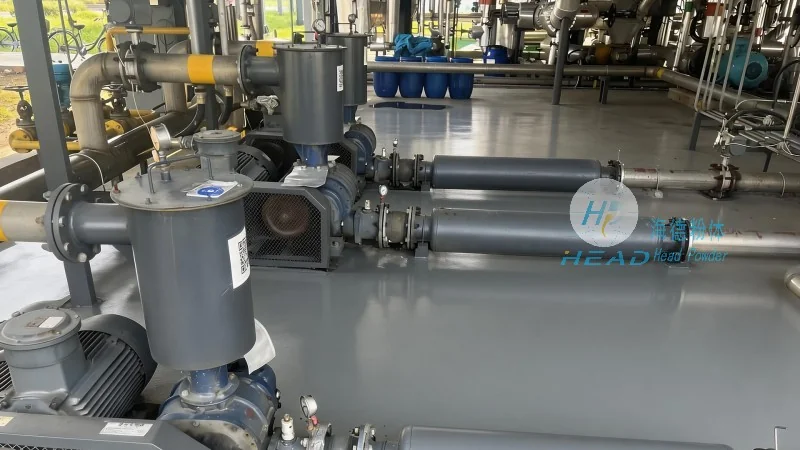
Introduction to Pneumatic Conveying for Stone Materials
Pneumatic conveying, also known as air conveying, is a method of transporting bulk materials like stone, sand, and gravel through a pipeline using air pressure or vacuum. This technology eliminates the need for mechanical components such as belts, buckets, or screws, offering a more hygienic and flexible solution for material transport. In stone processing industries, where materials are often abrasive and require reliable handling, pneumatic conveying systems are widely adopted. The choice between negative pressure (vacuum) and positive pressure (pressure) systems depends on factors such as material properties, distance, and the desired level of control over the conveying process.
Advantages and Disadvantages of Negative Pressure Conveying
Negative pressure conveying, also referred to as vacuum conveying, operates by creating a vacuum in the conveying line to draw material from the source into the system. This method is particularly effective for transporting fine or powdery materials, as well as for applications where the material source is located at a higher elevation than the destination. One of the key advantages of negative pressure systems is their ability to handle materials with a wide range of particle sizes, including fine powders and granules. The vacuum created in the line ensures that material is drawn in without the need for mechanical agitation, reducing wear and tear on equipment. Additionally, negative pressure conveying is generally more energy-efficient compared to positive pressure systems, as it requires less power to maintain the vacuum state. However, negative pressure systems have some notable disadvantages. The primary drawback is their limited conveying distance; typically, they are suitable for short to medium distances, usually up to 100 meters or less. Beyond this range, the pressure drop becomes too significant, leading to reduced material flow rates. Another limitation is the potential for material degradation or clogging in the vacuum line, especially with abrasive or sticky stone materials. Furthermore, negative pressure systems may require more complex filtration and cleaning procedures to maintain air quality and prevent dust accumulation in the system.
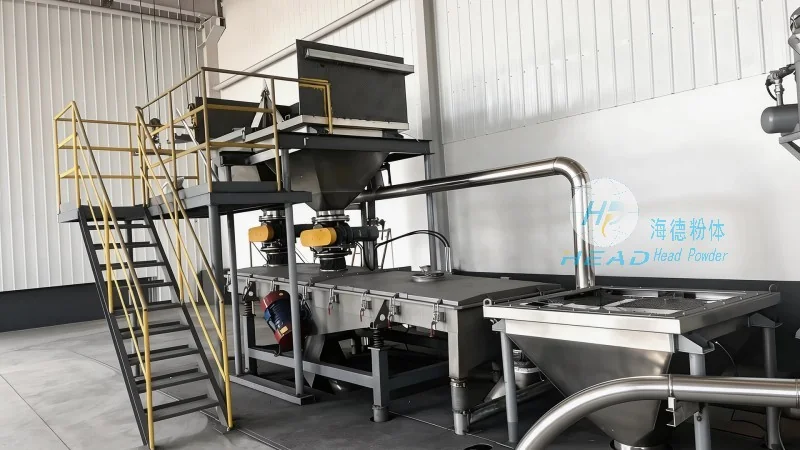
Advantages and Disadvantages of Positive Pressure Conveying
Positive pressure conveying, or pressure conveying, works by forcing air or a gas through the material in the pipeline, pushing the material from the source to the destination. This method is ideal for longer conveying distances and for handling materials that are more abrasive or have higher moisture content. One of the main advantages of positive pressure systems is their ability to transport materials over longer distances, often up to several hundred meters or more, without significant pressure loss. The high pressure maintained in the system ensures consistent material flow rates, making it suitable for continuous operation in industrial settings. Positive pressure conveying also offers better control over the material's velocity and direction, allowing for more precise delivery to the target location. However, positive pressure systems come with their own set of disadvantages. The most significant drawback is their higher energy consumption compared to negative pressure systems, as they require continuous compression of air or gas to maintain pressure. This can lead to higher operational costs, especially for large-scale stone handling operations. Another limitation is the potential for material degradation due to the high air velocity and pressure, which can cause wear on the pipeline and equipment components. Additionally, positive pressure systems may require more robust filtration and maintenance to prevent dust and debris from damaging the system, particularly when handling abrasive stone materials.
Key Considerations for Selecting the Right Conveying System
When deciding between negative pressure and positive pressure conveying for stone materials, several factors must be considered to ensure optimal performance and efficiency. The first consideration is the distance between the material source and the destination. For short distances, negative pressure systems may be sufficient, while for longer distances, positive pressure systems are more practical. The second factor is the material characteristics, including particle size, moisture content, and abrasiveness. Fine or powdery stone materials may be better suited for negative pressure systems, whereas coarser or more abrasive materials may require positive pressure systems for effective transport. The third consideration is the operational environment and space constraints. Negative pressure systems are often preferred in enclosed spaces or where noise and dust control are critical, as they operate with lower noise levels and less visible dust emissions. Positive pressure systems, on the other hand, may be more suitable for open environments where the material is less likely to cause clogging or degradation. The fourth factor is the energy efficiency and cost implications. Negative pressure systems are generally more energy-efficient, making them a cost-effective choice for shorter conveying distances. Positive pressure systems, while capable of handling longer distances, may incur higher operational costs due to increased energy consumption and maintenance requirements.
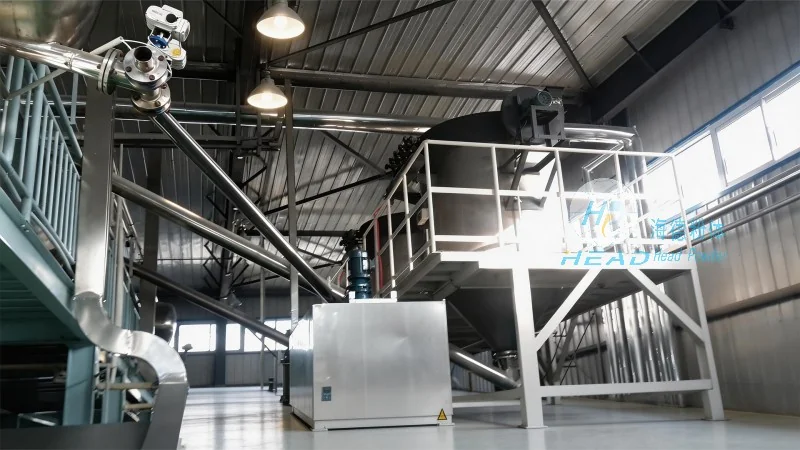
Application Examples and Case Studies
Real-world applications of negative and positive pressure conveying in stone handling provide valuable insights into their effectiveness. For instance, a quarry operation in Shandong, China, uses a negative pressure system to transport fine sand from a storage silo to a processing plant, covering a distance of approximately 50 meters. The system efficiently handles the fine particles without clogging, maintaining a consistent flow rate and reducing downtime. In contrast, a stone processing facility in the same region employs a positive pressure system to convey larger gravel pieces over a distance of 200 meters to a mixing station. The positive pressure system's ability to maintain high pressure ensures that the material is delivered reliably, even with the abrasive nature of the gravel. These case studies highlight how the choice of conveying system depends on the specific material and operational requirements, demonstrating the importance of selecting the right technology for optimal performance.
Conclusion and Recommendations
In conclusion, both negative pressure and positive pressure conveying systems offer viable solutions for stone pneumatic conveying, each with its own set of advantages and disadvantages. Negative pressure systems are ideal for short distances, fine materials, and applications requiring low energy consumption and minimal noise. Positive pressure systems, on the other hand, are better suited for longer distances, coarser materials, and continuous high-volume operations. The choice between the two should be based on a thorough analysis of the material characteristics, conveying distance, operational environment, and cost considerations. For businesses in the stone processing industry, partnering with a reputable engineering company like Shandong HeadPowder Engineering Co., Ltd. can provide expert guidance in selecting and implementing the most appropriate pneumatic conveying system. With their expertise in material handling technology, HeadPowder can help optimize operational efficiency, reduce costs, and ensure reliable material transport in various industrial applications.




