When it comes to transporting frac sand for hydraulic fracturing operations, choosing the right pneumatic conveying system is crucial. The two primary types are positive pressure and negative pressure systems, each with distinct characteristics and applications. Understanding the differences between these systems is essential for optimizing efficiency, cost-effectiveness, and operational safety in frac sand handling. This article explores the key aspects of positive pressure versus negative pressure pneumatic conveying for frac sand, helping you make an informed decision based on your specific project requirements.
Positive Pressure Pneumatic Conveying Systems
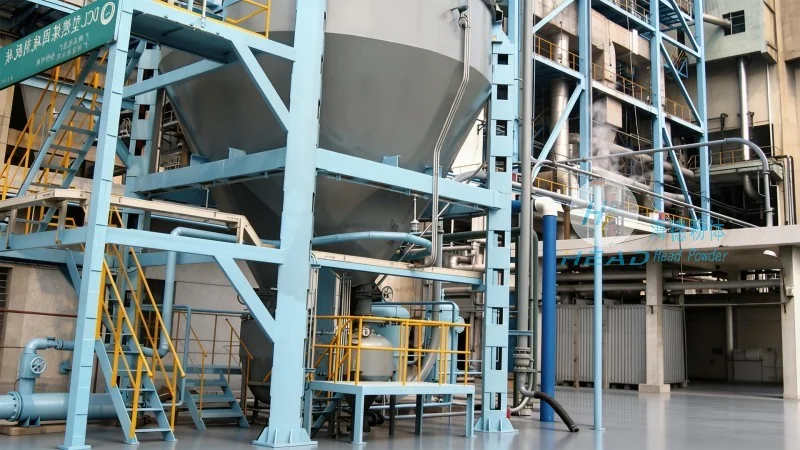
Positive pressure systems, as the name implies, use compressed air to push the material through the conveying line. The system operates by generating a higher pressure at the inlet than the ambient pressure at the discharge end. This pressure differential forces the frac sand to move through the pipeline. A typical positive pressure system includes a blower or compressor, a hopper for material storage, a feeder to control the flow rate, and a pipeline network with appropriate fittings and valves. The primary advantage of positive pressure systems is their ability to handle long distances and complex layouts, including multiple bends and vertical lifts. They are particularly effective for applications where the material is prone to bridging or caking, as the continuous flow of air helps prevent blockages. Additionally, positive pressure systems are generally more robust and easier to maintain, making them a popular choice for large-scale frac sand operations.
Negative Pressure Pneumatic Conveying Systems
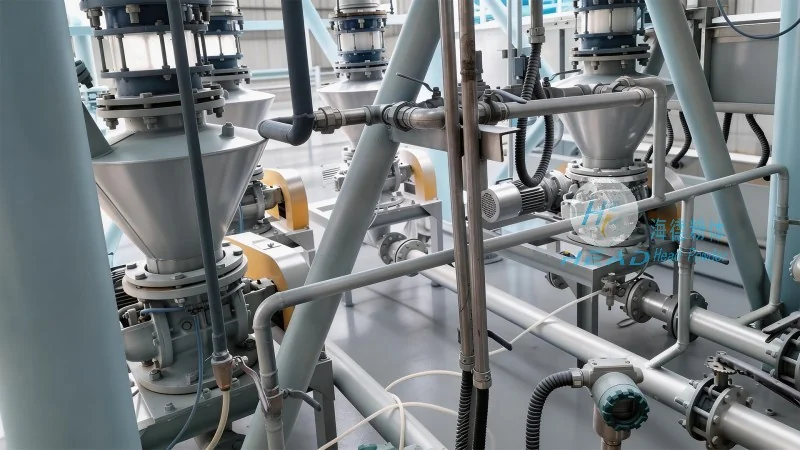
Negative pressure systems, on the other hand, rely on suction to draw the material into the conveying line. The system operates by creating a lower pressure at the inlet compared to the ambient pressure at the discharge end. This pressure difference pulls the frac sand from the source into the pipeline. A negative pressure system typically consists of a vacuum pump, a hopper, a feeder, and a pipeline network. The main benefit of negative pressure systems is their ability to handle fine or dusty materials without generating excessive dust emissions. They are often preferred for applications where the material is sensitive to pressure or where the system needs to be enclosed to minimize environmental impact. However, negative pressure systems are generally less suitable for long distances or complex layouts, as the suction power diminishes over distance and with increased pipe length. They may also require more frequent maintenance due to the higher wear on components from the continuous suction process.
Key Differences and How to Distinguish
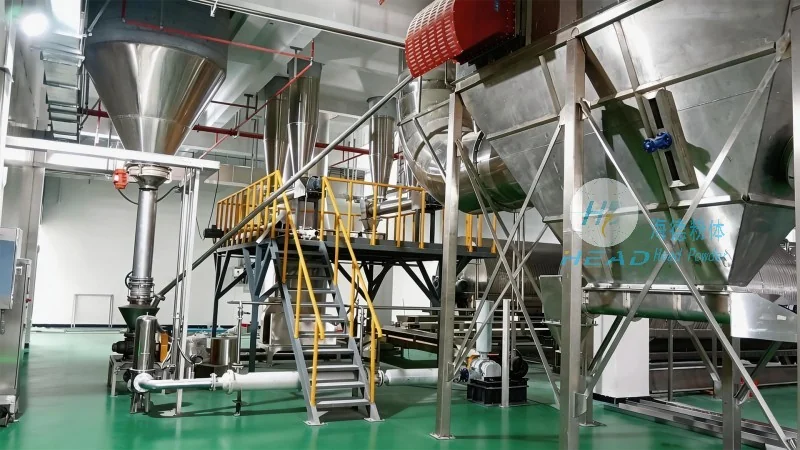
Several factors differentiate positive and negative pressure pneumatic conveying systems. The most obvious is the direction of air flow and pressure differential. In positive pressure systems, air moves with the material, while in negative pressure systems, air moves against the material. This difference impacts the system's design, including the type of blower or vacuum pump used, the material feed mechanism, and the pipeline configuration. Another critical distinction is the impact on the environment and material handling. Positive pressure systems may require dust collection and filtration to control emissions, whereas negative pressure systems are inherently more enclosed, reducing dust exposure. Operational costs also vary, with positive pressure systems often having lower energy consumption for long-distance transport, while negative pressure systems may be more energy-efficient for short distances or enclosed applications. Maintenance considerations are also distinct; positive pressure systems may experience more wear on the blower and pipeline due to the constant pressure, while negative pressure systems may face higher wear on the vacuum pump and filters due to the continuous suction.
Choosing the Right System for Your Fracturing Operation
When selecting between positive and negative pressure pneumatic conveying for frac sand, several factors must be considered. The first is the distance and layout of the conveying route. Positive pressure systems are ideal for long distances or complex networks with multiple bends and vertical lifts. Negative pressure systems are better suited for shorter distances or simpler layouts. The second factor is the material characteristics, such as particle size, moisture content, and tendency to bridge or clog. Materials that are prone to bridging or have high moisture content may benefit from the continuous flow of air in positive pressure systems. Conversely, fine or dusty materials may be better handled by negative pressure systems to minimize dust emissions. The third consideration is the operational environment and safety requirements. Positive pressure systems may require additional safety measures to prevent pressure buildup and potential explosions, while negative pressure systems are generally safer due to the enclosed nature of the system. Finally, the cost and maintenance requirements should be evaluated. Positive pressure systems may have higher initial costs due to the need for a robust blower and pipeline, but lower long-term maintenance costs. Negative pressure systems may have lower initial costs but higher maintenance due to the vacuum pump and filters.
Conclusion
Choosing between positive and negative pressure pneumatic conveying for frac sand depends on a combination of operational needs, material characteristics, and cost considerations. Positive pressure systems offer advantages in long-distance transport and handling of challenging materials, while negative pressure systems excel in enclosed environments and handling fine materials. By understanding the key differences in system design, operational performance, and maintenance requirements, you can select the most suitable pneumatic conveying solution for your hydraulic fracturing operations. Whether you opt for a positive or negative pressure system, investing in a high-quality, well-designed system from a reputable manufacturer like Shandong HeadPowder Engineering Co., Ltd. can ensure reliable and efficient frac sand transport, contributing to the success of your frac operations.




