

Technical Analysis of Coal and Coke Pneumatic Conveying Systems: Comparison of Positive Pressure and
Coal and coke are fundamental raw materials across multiple industrial sectors, including steel production, power generation, and chemical manufacturing. The efficient and reliable transportation of these bulk materials is paramount for sustaining production continuity and operational efficiency. Pneumatic conveying systems have become a preferred solution for handling coal and coke due to their capability to transport materials over extended distances, through complex layouts, and with minimal environmental impact. This article provides a technical analysis of coal and coke pneumatic conveying systems, focusing on the comparison between positive pressure and negative pressure conveying modes. The discussion is grounded in the expertise of Shandong HeadPowder Engineering Co., Ltd., a leading provider of bulk material handling solutions in China.
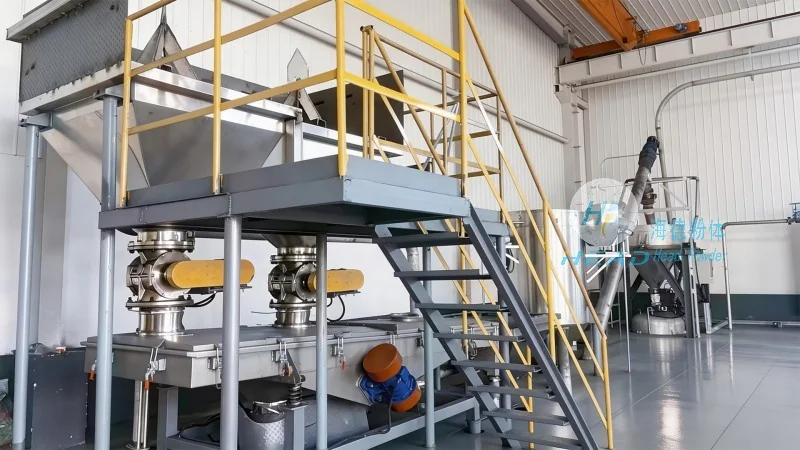
Overview of Pneumatic Conveying Systems for Coal and Coke
Pneumatic conveying systems utilize air or gas to transport bulk materials through a pipeline network. These systems are widely adopted in the coal and coke industry because they offer advantages such as dust control, reduced material degradation, and the ability to handle materials in a closed system. The selection of conveying mode—positive pressure or negative pressure—significantly influences the system's design, performance, and operational costs. Understanding the differences between these modes is crucial for selecting the most suitable solution for specific applications.
Positive Pressure Conveying Mode
Positive pressure conveying operates by blowing air or gas into the conveying line, creating a pressure higher than ambient air pressure. The material is then drawn into the pipeline by the pressure differential and transported to the destination. This mode is commonly used for short to medium-distance conveying and for materials that are prone to dust generation or degradation. Shandong HeadPowder Engineering Co., Ltd. has extensive experience in designing positive pressure systems for coal and coke handling. Their systems typically feature high-pressure blowers, robust pipeline networks, and advanced control systems to ensure consistent material flow and minimal downtime.
Key Features and Advantages of Positive Pressure Conveying
Positive pressure conveying offers several advantages that make it suitable for certain applications. One of the primary benefits is the ability to handle materials with high moisture content or those that are prone to clumping. The high pressure ensures that the material is fully suspended in the air stream, preventing blockages and ensuring smooth transport. Additionally, positive pressure systems are generally more compact and easier to install, as they do not require vacuum pumps or extensive vacuum infrastructure. The control systems used in these systems are often simpler, reducing maintenance requirements and operational costs.
Applications of Positive Pressure Conveying
Positive pressure conveying is commonly used in applications where the material needs to be transported from a central storage facility to processing units or storage silos. For example, in steel plants, coal is often conveyed from stockpiles to coal bunkers using positive pressure systems. The systems are also suitable for transporting coke from coke ovens to coke handling areas. The ability to handle large volumes of material efficiently makes positive pressure systems ideal for high-throughput operations.
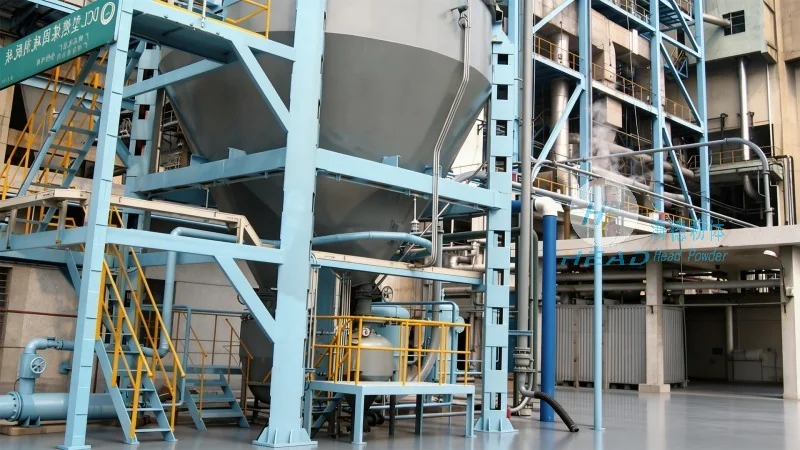
Negative Pressure Conveying Mode
Negative pressure conveying, also known as vacuum conveying, operates by creating a vacuum in the conveying line, which draws the material into the pipeline. The material is then transported to the destination by the pressure differential between the pipeline and the ambient air. This mode is typically used for longer distances and for materials that are less abrasive or less prone to dust generation. Shandong HeadPowder Engineering Co., Ltd. has developed advanced negative pressure systems that incorporate high-efficiency vacuum pumps and sophisticated filtration systems to ensure clean and efficient material transport.
Key Features and Advantages of Negative Pressure Conveying
Negative pressure conveying offers distinct advantages over positive pressure systems, particularly for longer-distance applications. One of the main benefits is the ability to transport materials over distances of several hundred meters or more without significant pressure loss. The vacuum system can also handle materials that are more sensitive to pressure changes, such as fine powders or those with high moisture content. Additionally, negative pressure systems are often quieter and require less maintenance compared to positive pressure systems, as they do not involve high-speed blowers.
Applications of Negative Pressure Conveying
Negative pressure conveying is commonly used in applications where the material needs to be transported from multiple sources to a central processing facility. For instance, in power plants, coal is often conveyed from stockpiles to coal mills using negative pressure systems. The systems are also suitable for transporting coke from various coke ovens to a central handling area. The ability to handle materials from multiple points makes negative pressure systems ideal for complex layouts and large-scale operations.
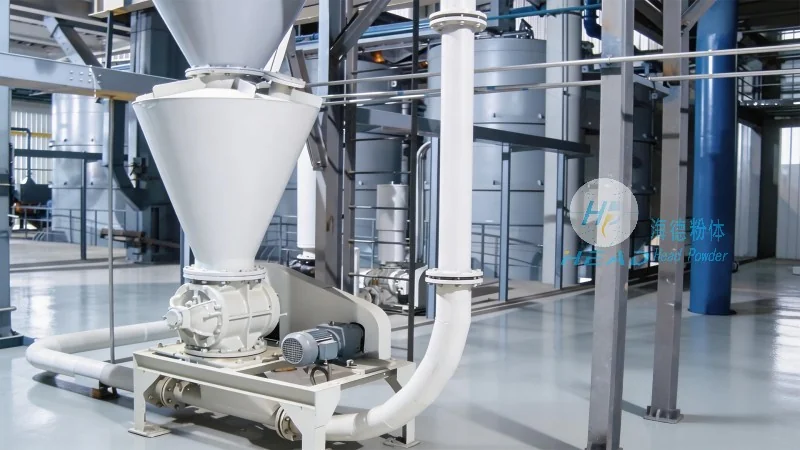
Comparison of Positive and Negative Pressure Conveying Modes
When selecting a pneumatic conveying system for coal and coke, it is essential to compare the positive and negative pressure modes based on specific operational requirements. The choice depends on factors such as conveying distance, material characteristics, system complexity, and cost considerations. Shandong HeadPowder Engineering Co., Ltd. provides comprehensive technical support to help clients evaluate these factors and choose the most appropriate conveying mode.
Factors Influencing the Choice of Conveying Mode
The decision between positive and negative pressure conveying is influenced by several key factors. First, the conveying distance is a critical consideration. Positive pressure systems are generally more suitable for short to medium distances, while negative pressure systems are better for longer distances. Second, the material properties, such as particle size, moisture content, and dust generation, play a significant role. Materials that are prone to clumping or dust may require positive pressure systems to ensure proper suspension. Third, the system layout and available space also impact the choice. Positive pressure systems are more compact and easier to install in confined spaces, whereas negative pressure systems may require larger vacuum pumps and more extensive filtration.
Operational Considerations and Maintenance
Both positive and negative pressure conveying systems require regular maintenance to ensure optimal performance. Positive pressure systems typically involve high-pressure blowers that may require routine inspection and replacement of wear parts. The pipeline network must also be checked for leaks to maintain pressure integrity. Negative pressure systems, on the other hand, rely on vacuum pumps and filtration systems that need regular cleaning and maintenance to prevent clogging and ensure efficient operation. Shandong HeadPowder Engineering Co., Ltd. offers comprehensive maintenance services and technical support to help clients keep their systems running smoothly and efficiently.
Conclusion
In conclusion, the choice between positive pressure and negative pressure conveying modes for coal and coke handling depends on various factors, including conveying distance, material characteristics, and operational requirements. Positive pressure systems are suitable for short to medium distances and materials prone to dust or clumping, while negative pressure systems are ideal for longer distances and less abrasive materials. Shandong HeadPowder Engineering Co., Ltd. provides expert solutions for both modes, ensuring reliable and efficient transportation of coal and coke in industrial applications. By understanding the technical differences and operational considerations, clients can select the most appropriate pneumatic conveying system to meet their specific needs and maintain operational efficiency.