

Choosing Positive Pressure vs. Negative Pressure for Steel Sand Conveying: How to Distinguish?
When it comes to transporting steel sand, selecting the right conveying method is crucial for efficiency, cost-effectiveness, and operational safety. Two primary approaches dominate the industry: positive pressure conveying and negative pressure conveying. Understanding the distinctions between these two systems is essential for making an informed decision that aligns with your specific operational needs. This article explores the key differences, advantages, and considerations of positive pressure versus negative pressure steel sand conveying, helping you determine which method is best suited for your application.
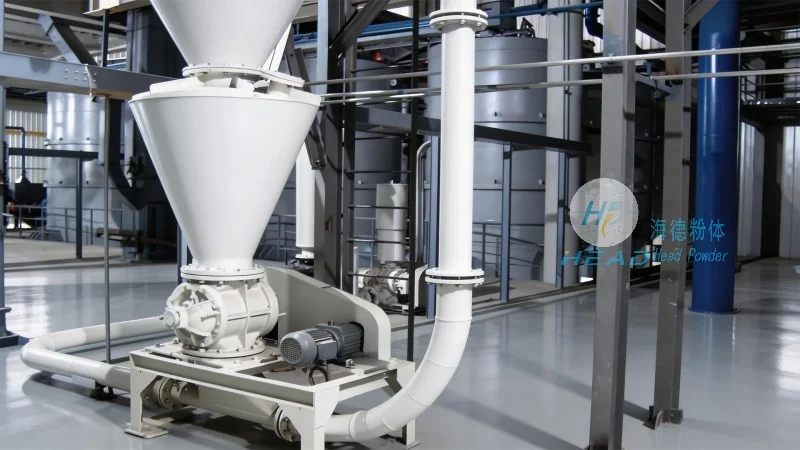
Positive Pressure Conveying: An Overview
Positive pressure conveying systems operate by blowing air or gas into the conveying line, creating a pressure higher than the ambient air pressure. This method forces the material (in this case, steel sand) through the pipeline. The primary advantage of positive pressure systems is their ability to handle abrasive materials like steel sand effectively, as the high-pressure air helps to break up and move the material without excessive wear on the system components. Additionally, positive pressure systems are generally more reliable for long-distance conveying and can handle a wide range of particle sizes and moisture content. However, they require robust filtration and dust control measures to prevent air pollution and maintain system efficiency. The system typically includes a blower, a hopper, and a pipeline network, with the air flow directed towards the material to ensure consistent movement.
Negative Pressure Conveying: An Overview
Negative pressure conveying, also known as vacuum conveying, works by creating a vacuum inside the conveying line, which draws the material from the source into the system. The air and material are then transported to the destination, where the material is discharged and the air is filtered and returned to the environment. This method is often preferred for applications requiring gentle handling of materials, as the vacuum action is less abrasive compared to positive pressure. Negative pressure systems are particularly suitable for conveying materials that are sensitive to pressure or that need to be transported in a closed loop, minimizing dust exposure. However, they may have limitations in terms of conveying distance and material throughput, as the vacuum pressure can drop over longer distances, potentially affecting performance. The system typically includes a vacuum pump, a collection hopper, and a filtration unit to ensure clean air return.
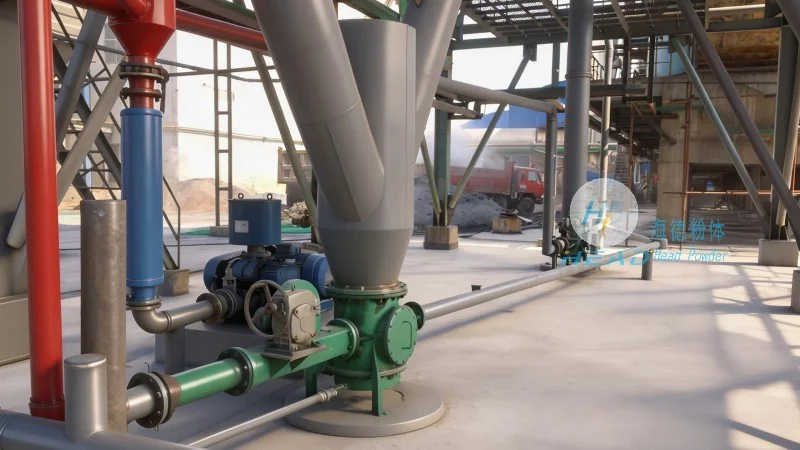
Key Differences and Decision Factors
When deciding between positive and negative pressure conveying for steel sand, several factors come into play. The primary difference lies in the direction of air flow and the pressure differential. Positive pressure systems push material forward, while negative pressure systems pull material. This fundamental difference impacts the system's design, maintenance requirements, and operational costs. For instance, positive pressure systems may require more powerful blowers and higher energy consumption due to the need to maintain higher pressure, whereas negative pressure systems rely on vacuum pumps, which can be more energy-efficient for shorter distances. Another critical factor is the material's properties. If the steel sand is highly abrasive or contains large particles, positive pressure is often the better choice due to its ability to handle such conditions without excessive wear. Conversely, if the material is delicate or needs to be transported with minimal dust generation, negative pressure may be more appropriate. Additionally, the distance and layout of the conveying system play a role. Positive pressure systems are generally better for longer distances, while negative pressure systems may be more suitable for shorter, more compact setups. Environmental regulations and dust control measures also influence the choice, as both systems require proper filtration, but the methods differ in how they manage emissions.
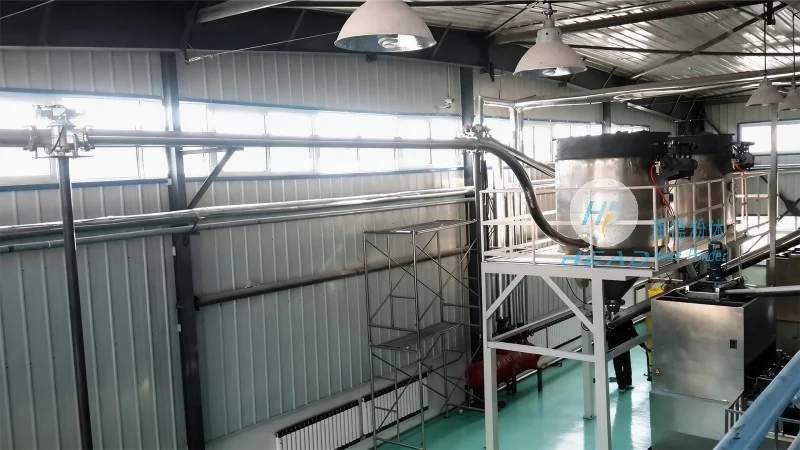
Advantages and Disadvantages of Each System
Positive pressure conveying offers several advantages, including higher conveying capacity, better performance over long distances, and the ability to handle a wider range of materials, including abrasive ones. The system is also relatively straightforward to install and maintain, with components that are widely available. However, the main disadvantages include higher energy consumption, the need for robust dust collection systems to comply with environmental regulations, and potential wear on components due to the high-pressure air. On the other hand, negative pressure conveying provides advantages such as gentler material handling, lower energy consumption for shorter distances, and reduced noise levels. It is also more suitable for applications where dust exposure must be minimized, as the system draws material into the line rather than blowing it out. The disadvantages include limitations in conveying distance and material throughput, potential for lower efficiency over long distances, and the need for careful filtration to prevent clogging and maintain system performance.
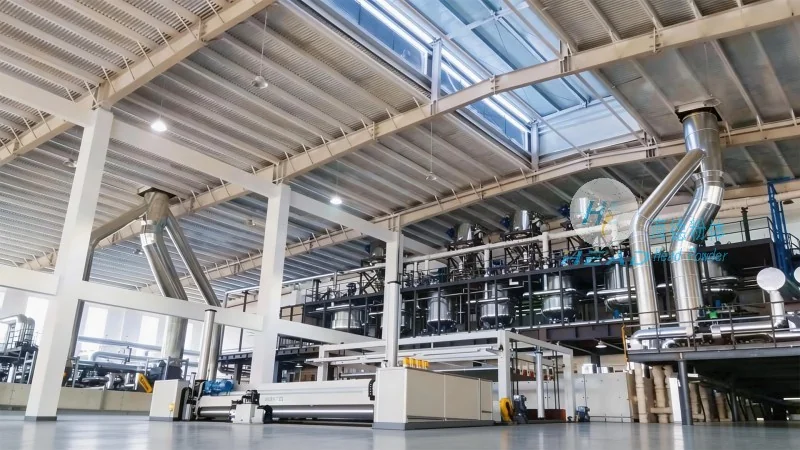
Application Examples and Practical Considerations
Understanding where each system excels can help in making the right choice. For example, in steel sand processing plants where long-distance conveying is required and the material is abrasive, a positive pressure system may be the optimal solution. This is because the high-pressure air can effectively move the steel sand through the pipeline without significant blockages or wear. Conversely, in smaller-scale operations or in environments where dust control is a top priority, negative pressure conveying might be preferred. For instance, in a foundry or a small-scale steel processing facility where the conveying distance is short and the material is less abrasive, a negative pressure system can provide efficient and low-dust operation. Practical considerations also include the initial investment and ongoing maintenance costs. Positive pressure systems may have higher upfront costs due to the need for powerful blowers and extensive filtration, but they can offer better long-term performance and reliability. Negative pressure systems may have lower initial costs but may require more frequent maintenance of the vacuum pump and filtration components. Ultimately, the choice between positive and negative pressure conveying depends on a careful evaluation of the specific operational requirements, material characteristics, and budget constraints.
Conclusion and Recommendations
Choosing between positive pressure and negative pressure for steel sand conveying is a critical decision that impacts operational efficiency, safety, and cost. Positive pressure systems are generally more suitable for long-distance, high-capacity conveying of abrasive materials, while negative pressure systems are better for shorter distances, gentle handling, and low-dust environments. By understanding the key differences in operation, advantages, and limitations of each system, you can make an informed choice that aligns with your specific needs. It is also important to consider the expertise and support available from suppliers, as proper installation and maintenance are crucial for the long-term performance of the conveying system. For those in the steel sand industry, consulting with experts like Shandong HeadPowder Engineering Co., Ltd. can provide valuable insights and tailored solutions to ensure the most effective and efficient conveying system for your operations. With the right system in place, you can enhance productivity, reduce costs, and maintain a safe working environment in your steel sand processing operations.