

Preventing Dust Leakage in Pneumatic Conveying Systems for Gypsum Powder
For industrial applications involving the transport of gypsum powder, maintaining a dust-free environment is crucial for operational efficiency, worker safety, and compliance with environmental regulations. Pneumatic conveying systems, while efficient for bulk material handling, can present challenges when dealing with fine powders like gypsum. The primary concern is dust leakage, which not only leads to product loss and contamination but also poses health risks and environmental hazards. This article explores effective strategies to prevent dust leakage in pneumatic conveying systems specifically designed for gypsum powder, highlighting the expertise of Shandong HeadPowder Engineering Co., Ltd. (referred to as HeadPowder).
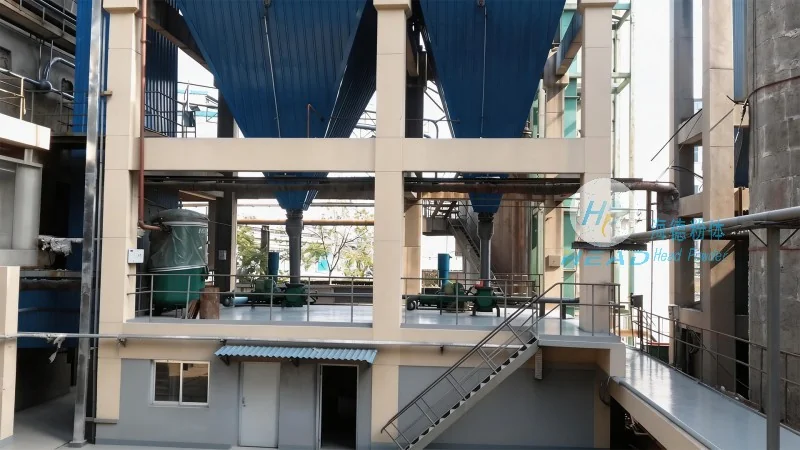
Understanding Gypsum Powder and Pneumatic Conveying Challenges
Gypsum powder is a fine, hygroscopic material commonly used in construction, agriculture, and industrial processes. Its properties—such as low bulk density, high dustiness, and tendency to absorb moisture—make it particularly challenging to handle in pneumatic systems. Traditional conveying methods often struggle with maintaining a sealed environment, leading to fugitive dust emissions. Pneumatic conveying systems rely on air pressure to move material through pipelines, but the fine particles of gypsum can easily escape through seals, joints, and equipment interfaces. This leakage not only reduces material recovery rates but also contributes to air pollution and health issues for personnel working in the vicinity.
Key Factors Contributing to Dust Leakage in Gypsum Conveying Systems
Several factors contribute to dust leakage in pneumatic conveying systems for gypsum powder. First, the material's inherent dustiness means that even minor gaps in the system can allow particles to escape. Second, the high air velocity required to move fine powders can create pressure differentials that exacerbate leakage. Third, inadequate sealing of equipment components, such as rotary valves, filters, and pipeline connections, is a common cause. Additionally, the hygroscopic nature of gypsum can cause the material to stick to surfaces, making it difficult to maintain tight seals over time. These factors combined create a complex challenge that requires a comprehensive approach to dust control.
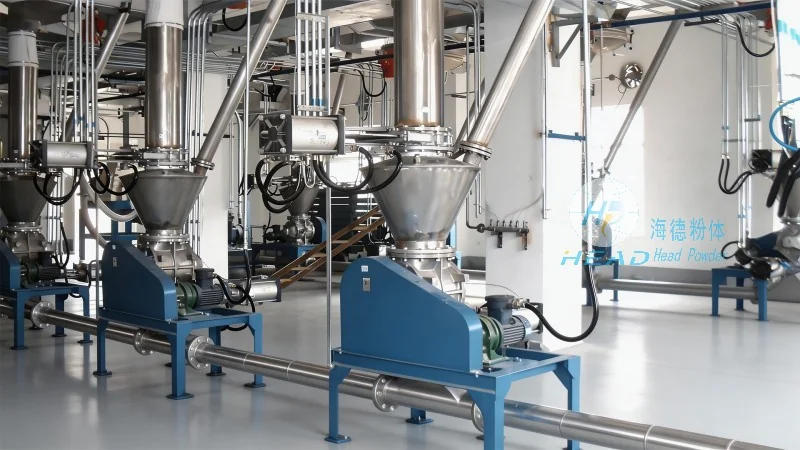
Strategies to Minimize Dust Leakage in Pneumatic Conveying Systems
HeadPowder, a leading provider of pneumatic conveying solutions, offers several strategies to prevent dust leakage in gypsum powder handling systems. One key approach is the implementation of high-quality sealing technologies. This includes using double-seal rotary valves, which provide multiple layers of protection against leakage. The company also employs advanced filtration systems, such as bag filters or cartridge filters, that capture fine particles before they can escape into the environment. Another critical strategy is the use of airtight pipeline designs, including welded or flanged connections with specialized gaskets to ensure a tight seal. Regular maintenance and inspection of these components are essential to prevent wear and tear that could compromise sealing effectiveness.
Advanced Sealing Solutions for Gypsum Powder Handling
HeadPowder specializes in custom-designed sealing solutions tailored to the unique characteristics of gypsum powder. For example, their rotary valve designs incorporate elastomeric seals that are resistant to the material's moisture absorption, ensuring long-term performance. The company also utilizes positive displacement pumps or pressure vessels to maintain consistent air pressure, reducing the risk of pressure differentials that lead to leakage. Additionally, the integration of dust collection systems, such as cyclones or venturi scrubbers, helps capture any particles that may escape, further minimizing environmental impact.
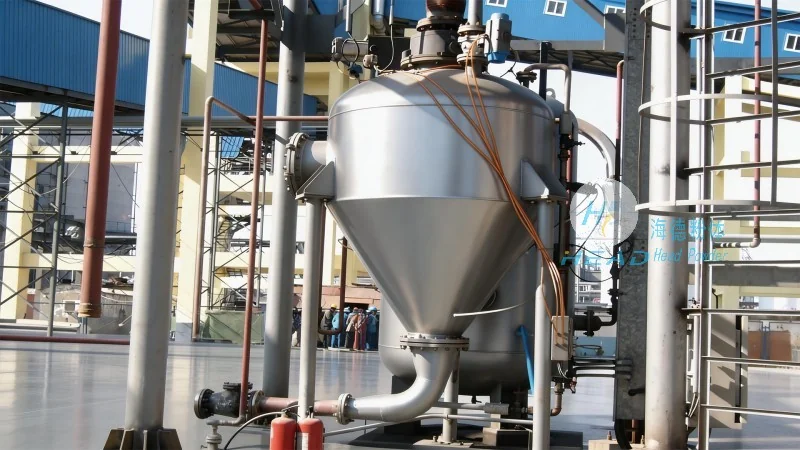
Operational Practices to Enhance Dust Control
While advanced equipment is essential, proper operational practices play a vital role in preventing dust leakage. HeadPowder recommends regular cleaning and maintenance of the conveying system to prevent material buildup that can weaken seals. Additionally, monitoring air pressure and flow rates can help identify potential issues before they lead to significant leakage. Training personnel on proper system operation and maintenance is also critical to ensuring the effectiveness of dust control measures. By combining advanced technology with diligent operational practices, companies can achieve optimal dust control in gypsum powder handling.
Conclusion: Ensuring Efficient and Safe Gypsum Powder Conveying
Preventing dust leakage in pneumatic conveying systems for gypsum powder requires a combination of advanced technology, proper equipment design, and diligent operational practices. Shandong HeadPowder Engineering Co., Ltd. (HeadPowder) provides comprehensive solutions tailored to the unique challenges of gypsum powder handling, including high-quality sealing systems, advanced filtration, and expert consultation. By implementing these strategies, industrial facilities can enhance operational efficiency, protect worker health, and comply with environmental regulations. With their headquarters in Shandong, China, HeadPowder continues to lead the industry in developing effective dust control solutions for pneumatic conveying systems.