

Application and Optimization of Pneumatic Conveying Technology in Dry Desulfurizer Material Handling
HeadPowder, a leading engineering firm based in Shandong, China, specializes in the application and optimization of pneumatic conveying systems for the efficient handling of dry desulfurizer materials. This article explores the key aspects of integrating advanced pneumatic conveying technology into the design of dry desulfurizer material transport systems, highlighting the benefits and practical considerations for industrial applications.
Understanding Pneumatic Conveying in Dry Desulfurizer Handling
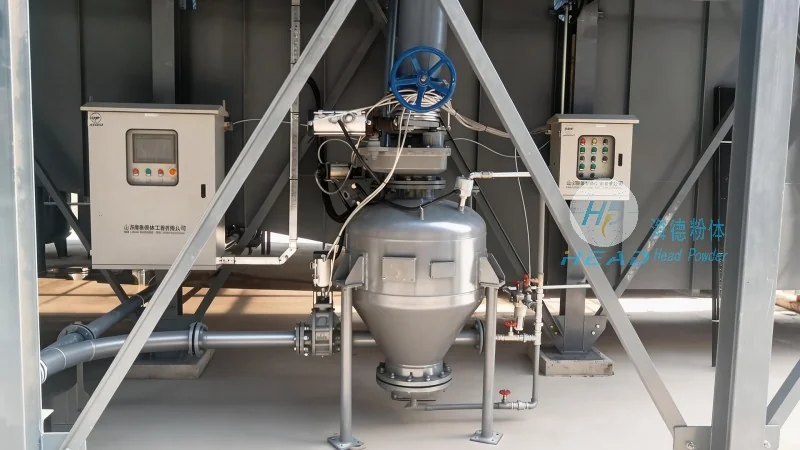
Pneumatic conveying is a critical technology in the dry desulfurization process, enabling the safe and efficient transport of desulfurizer powders from storage to the reactor or other processing units. The technology involves the use of air or gas to move bulk materials through a pipeline system, eliminating the need for mechanical components like conveyors or elevators that may cause material degradation or contamination. HeadPowder's expertise lies in designing customized pneumatic conveying solutions tailored to the specific characteristics of desulfurizer materials, such as particle size, moisture content, and flowability.
Key Design Considerations for Optimal Performance
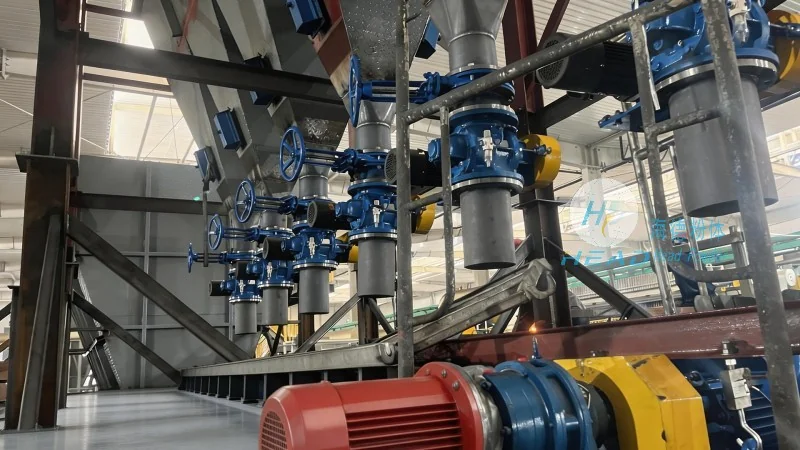
When designing a pneumatic conveying system for dry desulfurizer materials, several factors must be carefully considered to ensure optimal performance and reliability. These include the selection of appropriate conveying air pressure, the configuration of the pipeline network, and the integration of necessary equipment like feeders, cyclones, and dust collectors. HeadPowder engineers conduct thorough material analysis and process simulations to determine the most suitable conveying method—whether it's a positive pressure, negative pressure, or a combination of both—based on the plant's operational requirements and the material's properties.
Benefits of Optimized Pneumatic Conveying Systems
Implementing an optimized pneumatic conveying system for dry desulfurizer materials offers numerous advantages for industrial facilities. These include improved material handling efficiency, reduced downtime due to equipment maintenance, and enhanced safety by minimizing manual handling of powders. Additionally, the technology helps maintain the quality of the desulfurizer material by preventing agglomeration, moisture absorption, or contamination during transport. HeadPowder's customized solutions also contribute to energy savings by optimizing air usage and reducing the need for additional processing steps.
Case Study: Successful Implementation in a Power Plant
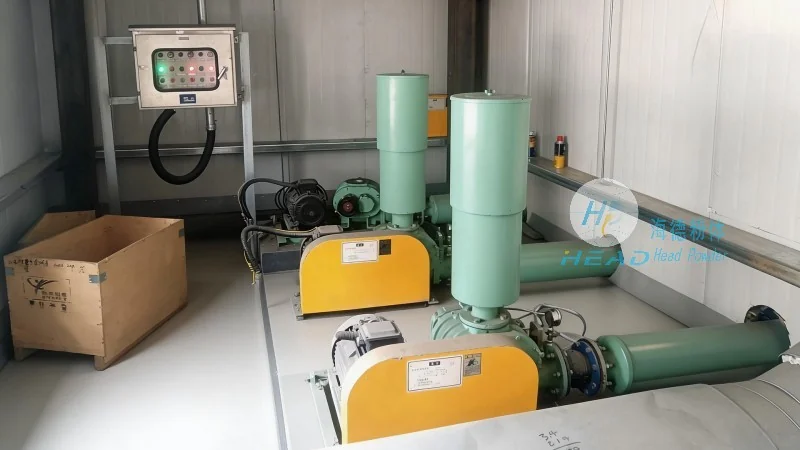
One of HeadPowder's recent projects involved the design and installation of a pneumatic conveying system for a large power plant in Shandong, China. The plant required a reliable method to transport dry desulfurizer from storage silos to the flue gas desulfurization (FGD) unit. HeadPowder's team conducted detailed material testing to determine the optimal conveying parameters and designed a positive pressure system with a high-capacity pipeline network. The system was successfully commissioned, achieving a conveying capacity of over 100 tons per hour with minimal material loss and high system efficiency. The plant reported significant reductions in maintenance costs and improved operational reliability after the implementation of the HeadPowder-designed system.
Conclusion and Future Directions
As the demand for efficient and reliable material handling in dry desulfurization processes continues to grow, the application and optimization of pneumatic conveying technology remain crucial. HeadPowder's expertise in engineering customized pneumatic conveying solutions ensures that industrial facilities can achieve optimal performance, safety, and cost-effectiveness in their desulfurizer material handling operations. By focusing on material-specific design and continuous optimization, HeadPowder continues to deliver innovative solutions that meet the evolving needs of the power and industrial sectors.