

Application and Optimization of Pneumatic Conveying Technology in Graphite Powder Handling Design
Graphite powder handling presents unique challenges due to its fine particle size, low bulk density, and tendency to create dust. Traditional methods like belt conveyors or bucket elevators often struggle with material segregation, dust control, and energy efficiency. Pneumatic conveying technology offers a sophisticated solution by utilizing air to transport dry powders, including graphite, through a closed system. This approach not only enhances safety by containing dust but also improves material flow consistency and reduces operational costs.
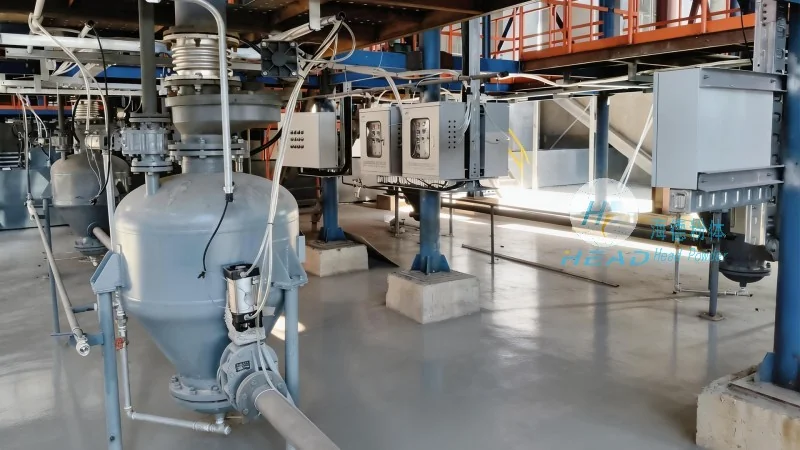
HeadPowder's Expertise in Pneumatic Conveying Systems
Shandong HeadPowder Engineering Co., Ltd., a leading provider of material handling solutions, specializes in designing and implementing advanced pneumatic conveying systems tailored for graphite powder applications. With decades of experience in the industry, HeadPowder has developed a deep understanding of the specific properties of graphite and the challenges associated with its transport. The company's team of engineers leverages cutting-edge technology and industry best practices to create customized solutions that meet the unique requirements of each client.
Key Features of Pneumatic Conveying for Graphite Powder
The core of a successful pneumatic conveying system for graphite powder lies in its design and components. Key features include high-efficiency air pumps, specialized ductwork to minimize pressure drop, and dust collection systems to ensure compliance with environmental regulations. The system's configuration—whether it's a pressure or vacuum system—depends on the specific application, such as bulk material transport from a silo to a processing plant or transfer between processing stages. HeadPowder's systems are engineered to handle varying particle sizes and moisture content, ensuring reliable operation under diverse conditions.
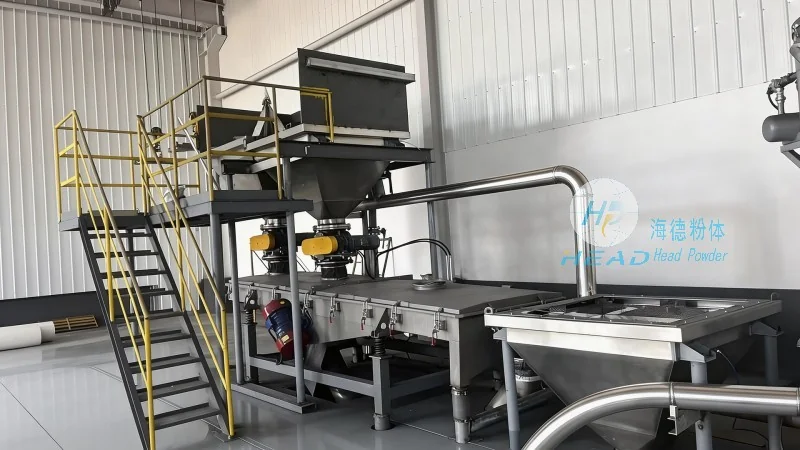
Optimizing Pneumatic Conveying for Graphite Handling
Optimization of pneumatic conveying systems is critical to maximizing efficiency and minimizing downtime. Factors such as air velocity, duct diameter, and system layout are carefully considered to achieve the optimal balance between material flow rate and energy consumption. HeadPowder employs advanced simulation tools to model system performance before installation, allowing for adjustments to be made proactively. This approach ensures that the final system operates at peak efficiency, reducing energy costs and extending equipment lifespan. Additionally, regular maintenance and performance monitoring are integral to maintaining optimal operation, with HeadPowder offering comprehensive support services to clients.
Benefits of Implementing Pneumatic Conveying in Graphite Processing
Adopting pneumatic conveying technology for graphite powder handling yields multiple benefits. First, it significantly improves safety by containing dust, which is a major health hazard in graphite processing facilities. The closed system design prevents dust from escaping into the environment, reducing the risk of respiratory issues for workers and minimizing the need for extensive cleaning. Second, it enhances material handling efficiency by ensuring consistent flow rates and preventing material degradation or segregation. This leads to more uniform product quality and reduces waste. Third, the energy efficiency of pneumatic systems compared to traditional methods results in lower operational costs over time. Finally, the scalability of these systems allows for easy expansion as production needs grow, providing long-term value to clients.
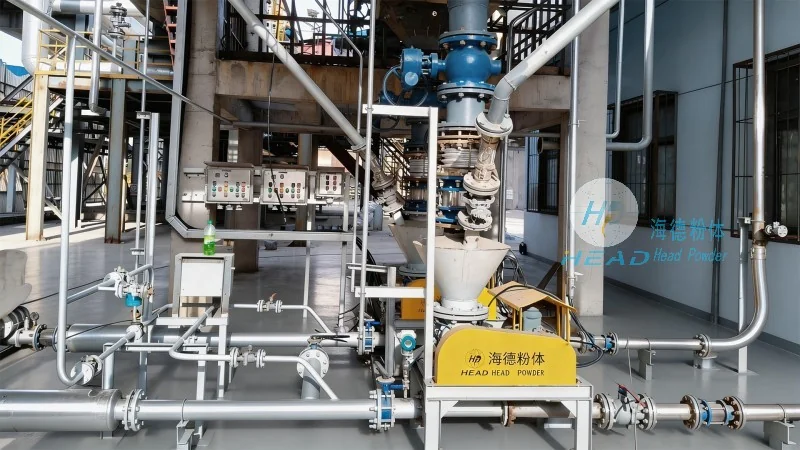
Case Studies and Real-World Applications
HeadPowder has successfully implemented pneumatic conveying systems for graphite powder handling in various industrial settings. For example, a major graphite manufacturer in China utilized a pressure pneumatic system to transport graphite from storage silos to a refining plant. The system was designed to handle high volumes of fine powder while maintaining low pressure drop, resulting in a 30% reduction in energy consumption compared to their previous belt conveyor system. Another client, a graphite processing facility, implemented a vacuum system to transfer graphite between processing stages, improving material flow consistency and reducing downtime by 25%. These case studies demonstrate the effectiveness of HeadPowder's solutions in improving operational efficiency and reducing costs.
Conclusion and Future Directions
Pneumatic conveying technology remains a cornerstone of modern graphite powder handling, offering a safe, efficient, and cost-effective solution. As the demand for high-quality graphite increases, the need for advanced material handling systems becomes more critical. HeadPowder, with its expertise and commitment to innovation, continues to develop and refine pneumatic conveying systems to meet the evolving needs of the industry. By focusing on optimization, safety, and efficiency, HeadPowder ensures that its clients can achieve their production goals while maintaining compliance with environmental and operational standards. The future of graphite powder handling lies in intelligent, customized systems, and HeadPowder is at the forefront of this technological advancement.